
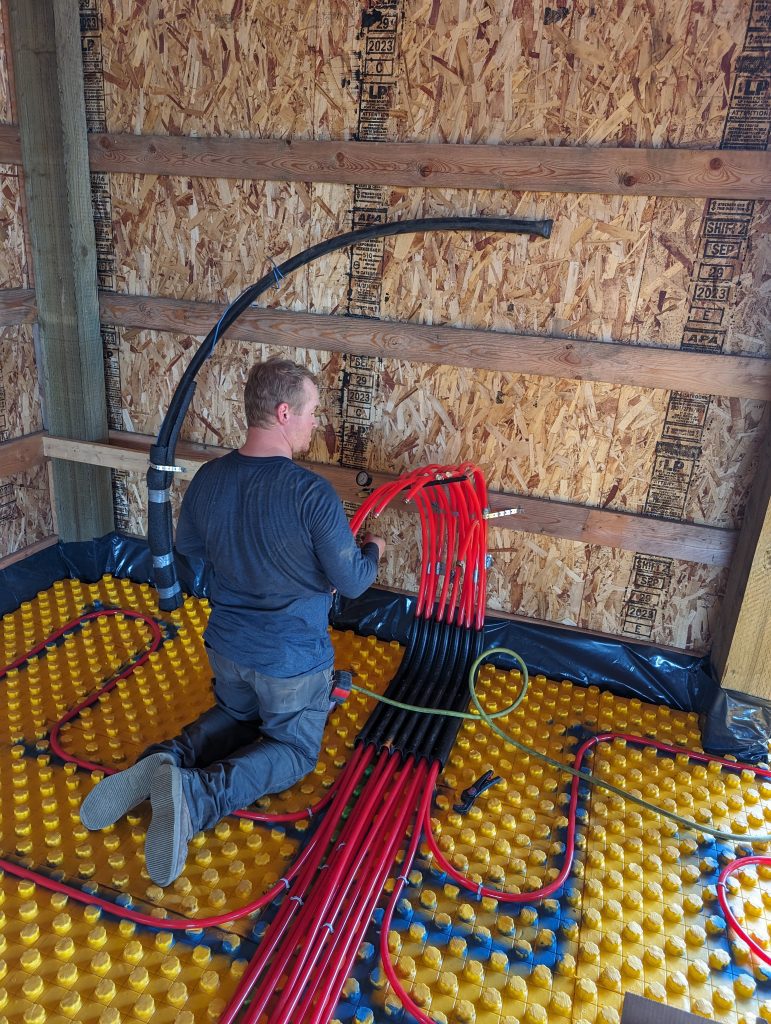
When you look into upgrading your home’s heating system, you might wonder whether your current floors are compatible. Many homeowners assume that certain materials, such as hardwood or carpet, won’t work with floor heating. It is easy to get confused by conflicting advice online or old myths about warped wood and cold tiles.
In this blog post, we will clear up the confusion about flooring compatibility. You will learn how modern systems work beautifully with almost any surface material you choose. We want to help you confidently choose the right radiant heat flooring options so you can enjoy warm toes in every room of your house.
Versatility Across Your Home
Gone are the days when floor heating was only for bathroom tiles. Today’s technology enables flexible installation on a wide variety of materials. The key is understanding how heat transfers through different substances.
Here is how radiant heat pairs with popular flooring types:
1. Tile and Stone
These are the champions of heat conduction. Ceramic and stone have high thermal conductivity, meaning they transfer heat quickly and hold it well. This makes them the most efficient pairing for any radiant heating system.
2. Concrete
Polished concrete is becoming very trendy in modern homes. Like stone, it effectively absorbs and radiates heat. It essentially turns your entire floor into a massive radiator, keeping the room temperature stable for hours.
3. Laminate and Vinyl
Modern vinyl and laminate are thinner than wood, allowing heat to pass through more easily. However, it is vital to check the manufacturer’s temperature limits. A properly controlled radiant heater setup ensures these materials stay safe and warm without damage.
4. Hardwood
Wood expands and contracts with changes in temperature. Engineered hardwood is often the best choice here because it is more stable than solid planks. With the right humidity controls and gradual heating, wood floors feel luxurious and cozy.
5. Carpet
Carpet acts as an insulator, trapping heat below the floor. To make this work, you need a thinner carpet and a low-thermal-resistance pad. This allows the hydronic heating to push warmth through the fibers effectively.
6. Effective Heat Transfer
Regardless of the material, the goal is efficient transfer. Using radiant heat panels or properly spaced tubing ensures that even materials with lower conductivity, like wood, still provide enough warmth to heat the room comfortably.
7. Consistency is Key
No matter what floor you choose, the system provides even heat. Unlike forced-air systems, which create hot and cold zones, floor heating solutions offer consistent comfort from wall to wall.
Why Professional Guidance Matters
Choosing the right flooring is only half the battle; the installation method is just as critical. A common mistake is ignoring the specific requirements of each material. For example, hardwood requires specific moisture barriers, while tile requires decoupling membranes to prevent cracking. We understand these nuances. Working with professionals ensures that your radiant heating setup is customized to protect your beautiful floors while maximizing efficiency. We calculate the precise temperatures needed for each room so you never have to guess.
Matching Warmth With Your Style
At Burkhart Plumbing, we believe your design choices shouldn’t limit your comfort. As a leading provider in the heating industry, we specialize in adapting high-performance heating systems to fit your unique style and home structure. Our client-centric approach ensures that whether you choose rustic wood or sleek concrete, your home remains perfectly warm.
We are ready to help you navigate the options and design a system that fits your life. Don’t let myths about flooring stop you from experiencing superior comfort.
CONTACT US TODAY TO DISCUSS YOUR PROJECT