
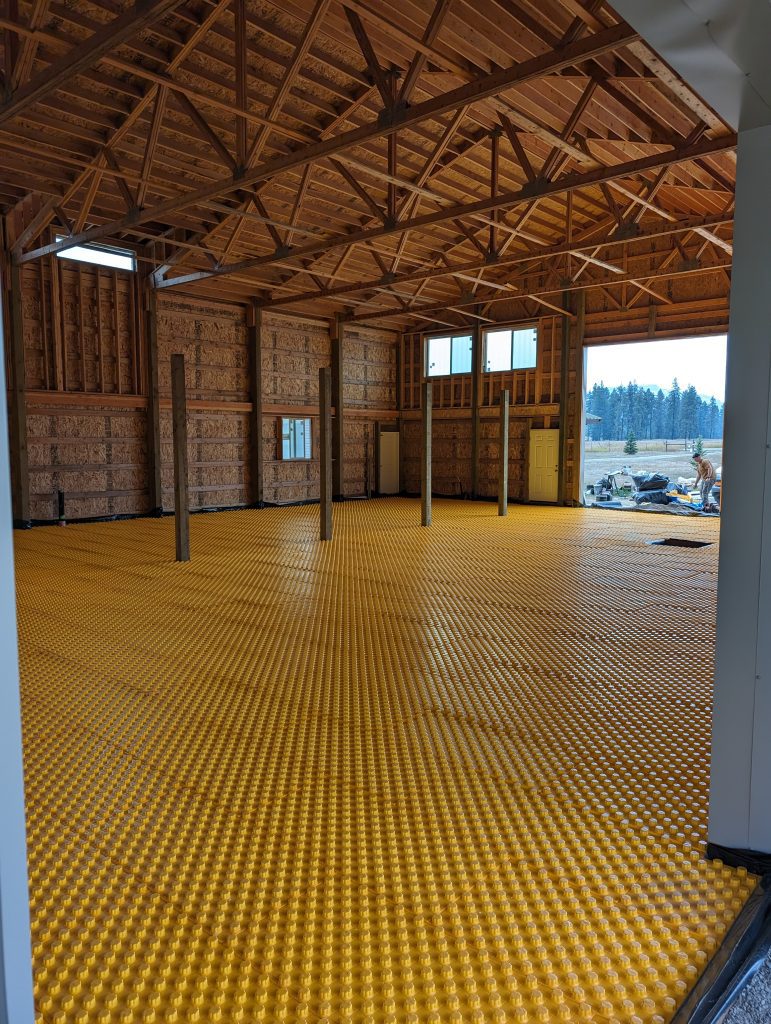
Planning a home renovation usually brings a mix of excitement and stress. One of the biggest questions homeowners ask involves the schedule. You want to know exactly when your life will return to normal and when you can start enjoying your new upgrades. A heating installation involves construction, so it is natural to worry about the disruption to your daily routine.
In this blog post, we will break down the timeline for installing a radiant system. You will learn about the project’s phases and the factors that may extend or shorten the process. We want to set realistic expectations so you can plan your project with confidence and ease.
Factors That Influence Timing
There is no single answer for how long an installation takes because every home is different. A small bathroom remodel moves much faster than a whole-house installation in a new build. However, understanding the key variables helps you estimate the time required for your specific project.
Here are the main factors that impact your timeline:
1. Project Scale and Size
The square footage of your home plays a huge role. Installing radiant heat flooring in a single room might take two days. A whole-home system often takes over a week just for the tubing layout.
2. Preparation of the Subfloor
Before any tubes go down, the floor must be ready. If your slab requires extensive cleaning, leveling, or repair, this adds time. Proper prep is essential for the system to lie flat and function correctly.
3. Type of System Installed
Electric radiant heating mats are generally quicker to roll out and connect than hydronic systems. Hydronic setups involve plumbing, manifolds, and boilers, which naturally require more labor and time to install.
4. Concrete Curing Times
If your system involves pouring a new concrete slab or a gypsum overpour, you must wait for it to cure. This drying process is not active labor time, but it pauses the project. You cannot install the final floor covering until the moisture levels are safe.
5. Flooring Material Choices
Some flooring types require acclimation to the home’s humidity before installation. While the radiant heater components might be ready, the wood or vinyl planks might need to sit in the room for a few days first.
6. System Complexity and Zones
A simple system with a single thermostat is easy to wire. A complex radiant heating system with multiple zones and smart thermostats requires more intricate wiring and testing to ensure every room controls independently.
7. Pressure Testing
We never close up a floor without testing. The system must hold pressure for a specific period to prove there are no leaks. This is a crucial safety step that cannot be rushed.
Why Professional Coordination Matters
While it might seem like a good idea to tackle home projects yourself to save time, radiant heating is complex. Professional installers act as project managers. They coordinate plumbing, electrical work, and flooring installation so that the steps proceed in the right order. Without this coordination, you might face delays waiting for inspections or materials.
Professionals also understand the nuances of sustainable heating systems. We ensure that the insulation is correct and the tubing layout is perfect on the first try. This expertise prevents costly callbacks and repairs later. We focus on getting you reliable radiant floor warmth efficiently, respecting your time and your home.
Understanding the Installation Schedule
At Burkhart Plumbing, we understand that your time is valuable. As a leading provider in the heating industry, we strive to make the installation process as smooth and efficient as possible. Our team plans every detail to minimize disruption to your home while delivering high-quality results that last for decades.
We are committed to clear communication throughout the entire project. By choosing us, you get a partner who respects your schedule and delivers superior comfort. Let us help you upgrade your home with a system that is worth the wait.
CONTACT US TODAY FOR A TIMELINE ESTIMATE